
Scale your restaurant empire. Multi-Tenant Venue Management allows restaurant groups and franchises to manage multiple locations from a single dashboard, maintaining brand standards while letting local venues manage daily operations.
A SaaS architecture guide on tenant isolation, user role structures, consolidated analytics, and managing multi-unit venue setups.
- Isolate tenant data securely using partitioned database schemas.
- Centralize brand guidelines, menu definitions, and base pricing.
- Allow local branches to override availability and manage daily inventory.
- Consolidate multi-unit analytics into a single director dashboard.
1. The Challenges of Managing Multi-Unit Restaurant Groups
For growing restaurant franchises, keeping menu structures, pricing, and brand presentation unified across multiple locations is a major challenge. If each branch manages its own database independently, updates become slow and mistakes are common.
Multi-tenant architecture addresses this challenge. By centralizing management, a single brand update can be pushed to all locations instantly, saving administrative time and maintaining brand consistency.
2. Ensuring Secure Tenant Isolation in Shared Databases
In a multi-tenant platform, different venues share the same physical server and database. Ensuring that one restaurant cannot access another's data is a critical security requirement.
TableGreet uses partitioned database structures and row-level security (RLS) policies. Every database query includes the tenant ID, ensuring that data access remains completely isolated and secure.
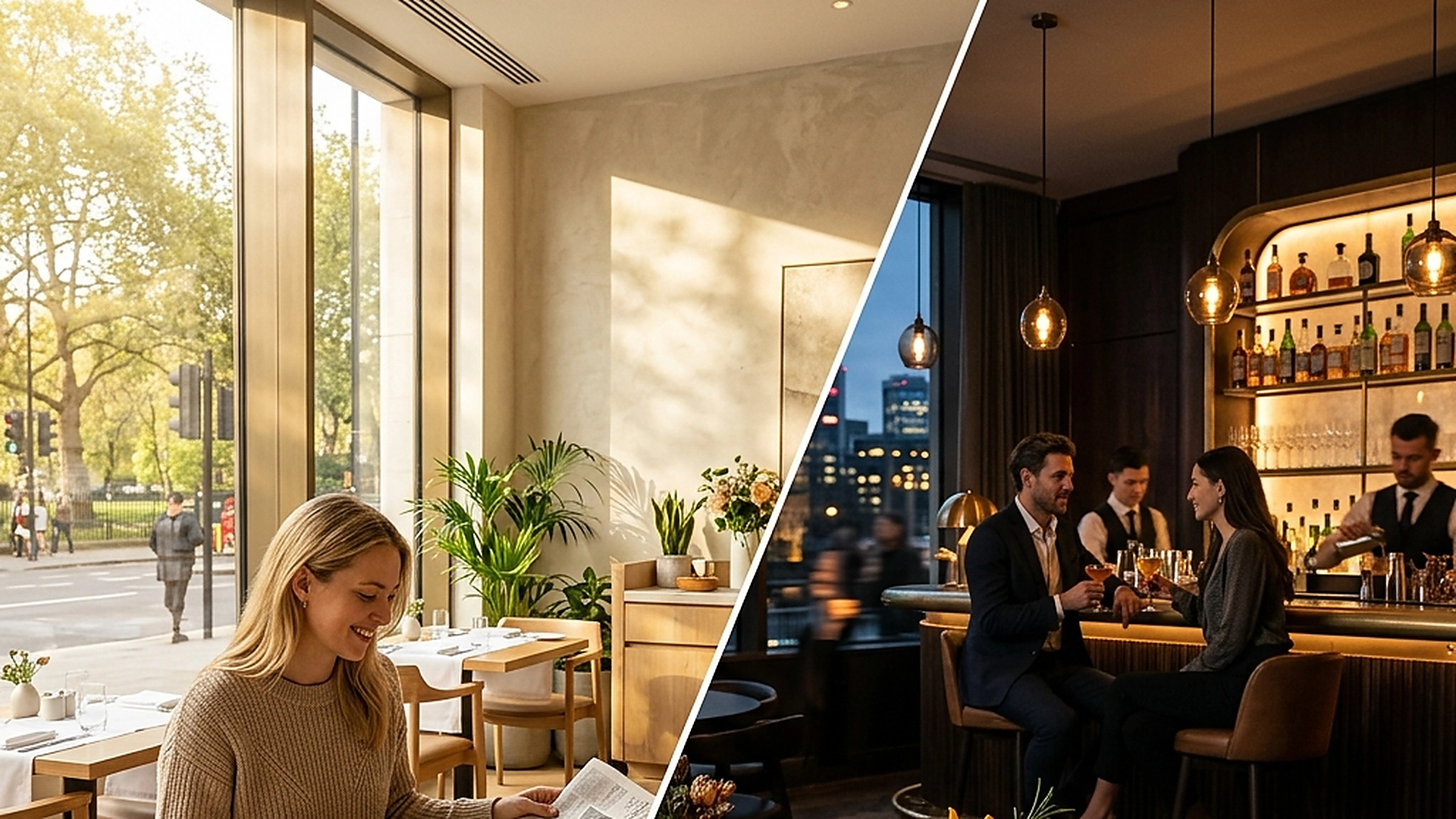
3. Balancing Centralized Brand Control and Local Overrides
Franchise groups need a balance between brand consistency and local flexibility. While menu names and base pricing should remain unified, individual branches may need to adapt to local availability.
The system allows for local overrides. Franchise directors lock menu definitions centrally, but local branch managers can toggle item availability or hide dishes based on local inventory, protecting the brand standard.
4. Consolidating Multi-Unit Reports for Corporate Directors
To guide business decisions, corporate directors need a unified view of performance across all locations. A multi-unit dashboard consolidates sales and traffic metrics.
Compare performance across branches, track overall guest satisfaction and translation usage, and export consolidated financial summaries, helping management identify growth opportunities and optimize brand strategies.
5. Architectural Reliability and System Uptime
Maintaining high availability is fundamental for hospitality applications operating in real time. Redundant server infrastructure and edge replication ensure your digital menu stays active during high-volume dinner rushes without service dropouts.
6. Data Privacy, Encryption, and Security Controls
Protecting customer privacy and venue data is a core operational priority. End-to-end encryption, strict role-based permissions, and cookieless browsing standards safeguard your venue's analytics and guest interactions.
7. Measuring Long-Term Operational Impact
Evaluating long-term metrics enables continuous menu refinement. By tracking guest conversion rates, popular dish views, and average order values, venue managers can make data-driven improvements that boost revenue.
Frequently Asked Questions
Can we set up different tax rates for different branches?
Yes. Tax rules are configured at the branch level, ensuring compliance with local regulations while sharing a unified menu structure.
How do you handle user access for regional managers?
Regional roles can be assigned, giving managers read-only or edit permissions for specific location groups.
Can we run branch-specific promotions?
Yes. The Campaign Studio allows you to target marketing banners to specific locations or city groups.
Final Takeaway
Multi-tenant management is essential for running successful restaurant groups at scale. By isolating data, centralizing brand controls, and consolidating analytics, you build a manageable hospitality empire.