
Compliance does not have to compromise user experience. Implementing structured cookie consent engines, privacy disclosures, and terms validation inside your digital menu protects your venue legally while maintaining a premium brand aesthetic.
A governance manual on complying with GDPR, CCPA, and local data protection regulations within multi-tenant restaurant software.
- Integrate premium, glassmorphic legal banners that match your menu styling.
- Ensure cookie consent management is transparent and GDPR-compliant.
- Protect guest checkout transactions with end-to-end data privacy protocols.
- Manage terms of service updates centrally with automated version tracking.
1. The Legal Reality of Digital Menus and Customer Data
As restaurants transition from printed menus to digital platforms, they collect customer data during the ordering and checkout process. Under global privacy frameworks like GDPR (Europe) and CCPA (California), venues are legally responsible for protecting this data and obtaining explicit consent.
Failing to comply can result in heavy fines and damage your brand reputation. However, many legal compliance plugins look ugly and disrupt the browsing flow. A premium platform integrates compliance elements directly into the design, keeping the experience beautiful and secure.
2. Designing Beautiful, Non-Intrusive Cookie Consent Banners
Most cookie banners are intrusive, blocking the screen and frustrating users before they can see the menu. A premium approach uses subtle, glassmorphic overlays at the bottom of the screen.
By utilizing micro-interactions and matching color palettes, the consent banner feels like a natural part of the menu interface. Guests can accept core preferences in one tap, and the system remembers their choices across visits, minimizing screen clutter.
3. Protecting Guest Checkout Transactions and Data Privacy
When guests place takeaway or delivery orders, they share sensitive personal details—names, phone numbers, delivery addresses, and payment tokens. Protecting this data is a non-negotiable security priority.
All guest data is encrypted in transit using SSL and at rest within secure database tables. The checkout flow implements data minimization principles, only requesting the information required to fulfill the order and never sharing customer details with third-party advertisers.
4. Version Governance and Dynamic Terms of Service Updates
Legal regulations and business policies evolve over time, requiring periodic updates to your terms of service and privacy agreements. Managing these updates manually across multiple restaurant locations is difficult.
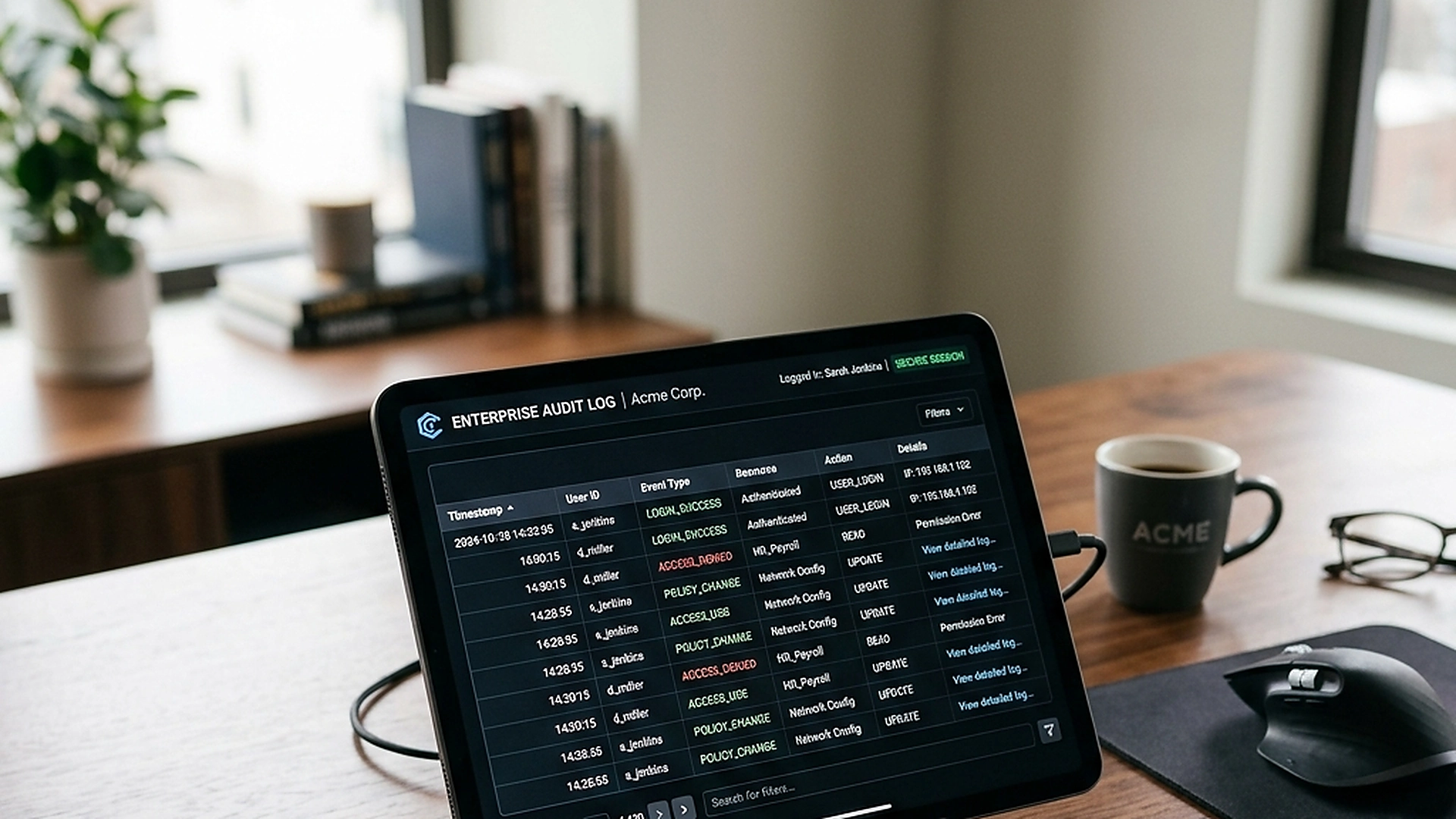
The governance engine allows you to edit and publish new legal terms from a central admin panel. When a change occurs, the system logs the new version and updates the checkout disclosures, ensuring your legal compliance is always current.
5. Architectural Reliability and System Uptime
Maintaining high availability is fundamental for hospitality applications operating in real time. Redundant server infrastructure and edge replication ensure your digital menu stays active during high-volume dinner rushes without service dropouts.
6. Data Privacy, Encryption, and Security Controls
Protecting customer privacy and venue data is a core operational priority. End-to-end encryption, strict role-based permissions, and cookieless browsing standards safeguard your venue's analytics and guest interactions.
7. Measuring Long-Term Operational Impact
Evaluating long-term metrics enables continuous menu refinement. By tracking guest conversion rates, popular dish views, and average order values, venue managers can make data-driven improvements that boost revenue.
Frequently Asked Questions
Do dine-in menus that do not collect payments still require cookie consent?
If your public menu uses only essential session variables to remember language settings, it qualifies as "cookie-free" for guests, eliminating the need for complex cookie popups under GDPR.
Is guest payment data stored on TableGreet servers?
No. Raw credit card numbers are never stored on local servers, and transaction details are routed through certified partners.
How do you handle data deletion requests?
The dashboard features a data removal tool, allowing you to purge customer details instantly in compliance with legal demands.
Final Takeaway
Compliance protects your business and shows guests you value their data. By building legal agreements into a modern user interface, you satisfy regulatory requirements without compromising on conversion or aesthetics.