
Let your flagship dishes stand out. Implementing a visual "Chef's Choice" strategy and featured item shelves on your digital menu directs guest attention to high-margin dishes, improving average spend and kitchen efficiency.
A marketing guide on menu engineering, visual recommendations, item pairing recommendations, and driving dynamic upsell conversions.
- Highlight flagship and high-margin dishes in a prominent "Featured" shelf at the top of the menu.
- Use the "Chef's Choice" badge to highlight unique specialty items.
- Suggest relevant pairings (e.g., wine recommendations) on the item detail page.
- Update featured items dynamically based on chef prep levels and stock levels.
1. The Psychology of Visual Focus in Menu Engineering
When guests open a large menu, they often feel overwhelmed by choices and default to basic, familiar items. To guide them toward your signature, high-margin dishes, you must design a clear visual hierarchy.
By placing a dedicated "Chef's Choice" or "Featured Items" shelf at the top of the menu, you draw the eye immediately. This prominent placement makes these dishes feel special, driving higher views and orders.
2. Leveraging "Chef's Choice" Badges to Build Curiosity
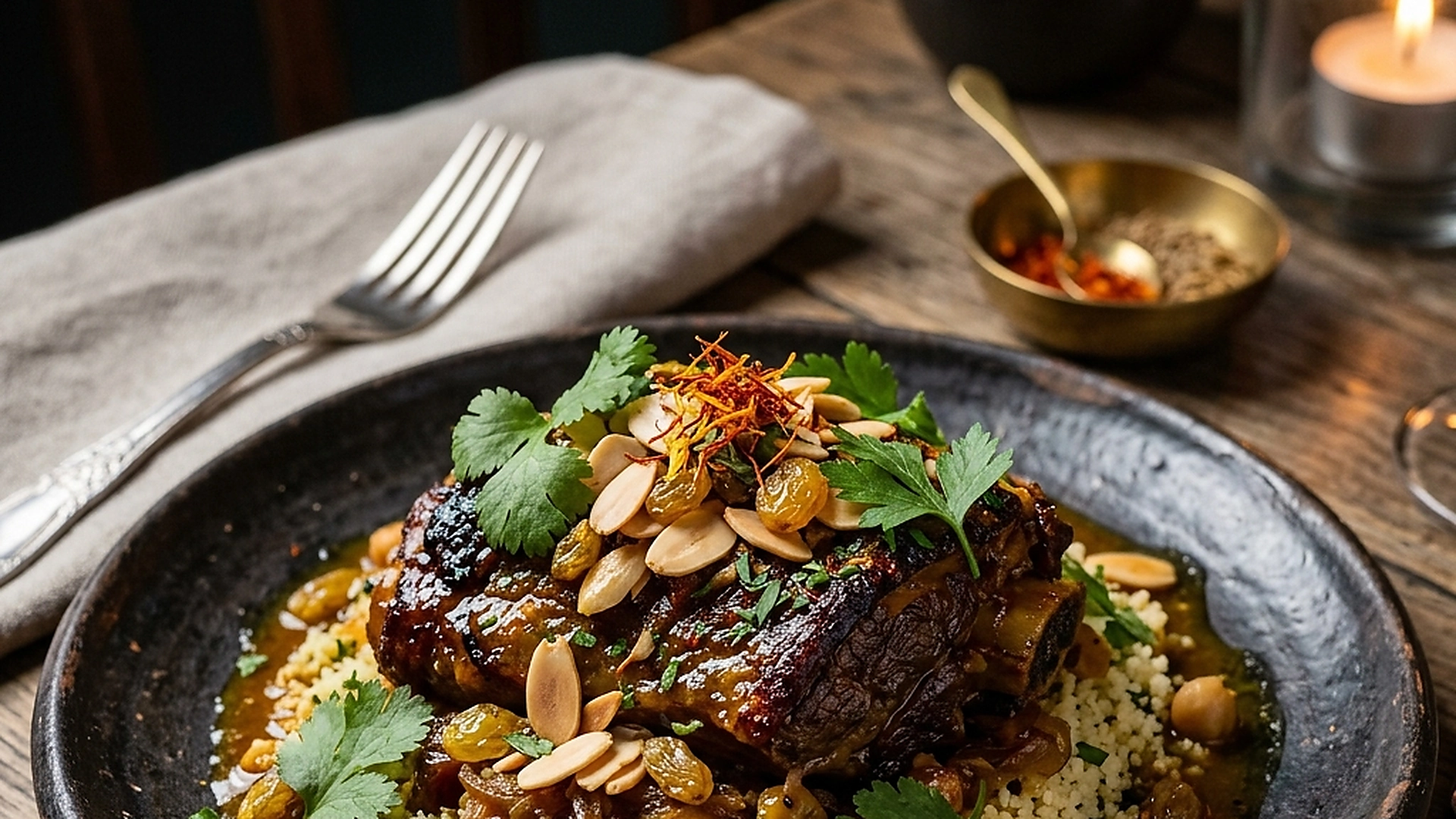
A badge is a simple, effective way to communicate value. Adding a bright "Chef's Choice" or "Must Try" tag to a dish acts as a recommendation from the kitchen, encouraging guests to try something unique.
These badges should be used selectively. If every second item has a tag, they lose their impact. Limit badges to 2-3 flagship dishes per category to maintain their value and guide guest selections effectively.
3. Increasing Average Order Value with Smart Pairings
Upselling should feel helpful rather than aggressive. Suggesting relevant pairings on the item detail page (e.g., recommending a matching white wine next to a seafood pasta) adds value to the guest's meal.
The pairing recommendations should be easy to add. Place a quick "+" button next to the suggested item, allowing guests to add the pairing to their cart in one tap without navigating away from their main selection.
4. Aligning Featured Items with Kitchen Prep Realities
Featured items should be flexible. If the kitchen prepped a large batch of fresh seafood, or needs to move a high-value ingredient before the shift ends, the menu should reflect this immediately.
The admin dashboard allows you to change featured items in seconds. By updating the highlight carousel dynamically, you can align guest demand with kitchen inventory, reducing waste and protecting your margins.
5. Architectural Reliability and System Uptime
Maintaining high availability is fundamental for hospitality applications operating in real time. Redundant server infrastructure and edge replication ensure your digital menu stays active during high-volume dinner rushes without service dropouts.
6. Data Privacy, Encryption, and Security Controls
Protecting customer privacy and venue data is a core operational priority. End-to-end encryption, strict role-based permissions, and cookieless browsing standards safeguard your venue's analytics and guest interactions.
7. Measuring Long-Term Operational Impact
Evaluating long-term metrics enables continuous menu refinement. By tracking guest conversion rates, popular dish views, and average order values, venue managers can make data-driven improvements that boost revenue.
Frequently Asked Questions
Can we schedule different featured items for lunch and dinner?
Yes. The recommendation engine integrates with your daypart schedule, showing lunch-appropriate specials at noon and premium dinners in the evening.
Does highlighting an item hurt the sales of other dishes?
No. While it increases the share of featured items, it generally grows the total basket size by encouraging guests to try appetizers and premium upgrades.
How many items should we include in the featured carousel?
We recommend keeping the carousel between 3-5 items to maintain high visibility and prevent users from feeling overwhelmed.
Final Takeaway
featured shelves and visual recommendations help you shape guest decisions and highlight your culinary strengths. By structuring upsell opportunities naturally, you increase average check values and keep your kitchen operating efficiently.